


Kings Road gardeners for narrow Chelsea courtyards
Posted on 11/10/2026
Narrow courtyards in Chelsea can be beautiful, but they can also be awkward little spaces: too shaded, too overlooked, too hot against brick, or simply too tight to move in comfortably. That is exactly where Kings Road gardeners for narrow Chelsea courtyards earn their keep. With the right planting plan, tidy structure, and a sensible maintenance routine, even a slim side return or compact rear courtyard can feel calm, welcoming, and surprisingly generous. Truth be told, small spaces often look better when they are edited well rather than filled to the brim.
This guide explains how specialist courtyard gardening works, what to ask for, what to avoid, and how to get a space that looks good in February as well as July. You will also find practical plant choices, design ideas, and a few hard-won lessons that save time later. If you are comparing options, it may help to read about choosing the right plants for your climate and the basics of container gardening tools and techniques before deciding what fits your courtyard best.
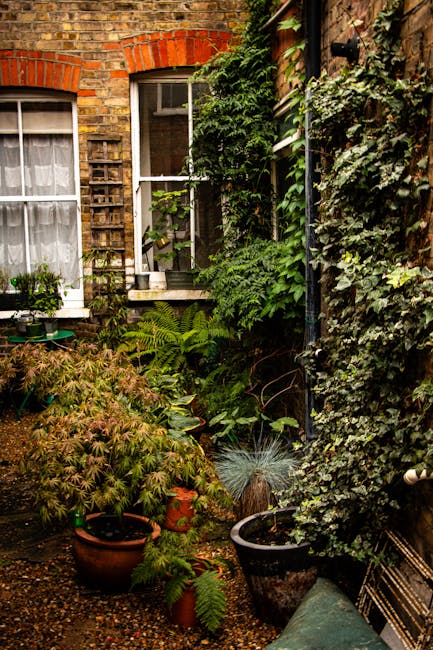
Why Kings Road gardeners for narrow Chelsea courtyards Matters
Narrow courtyards are not just smaller gardens. They are different gardens altogether. Light bounces oddly off surrounding walls, drainage can be patchy, privacy is often limited, and every square metre has to earn its place. In Chelsea, many courtyards also face pressure from old paving, mature masonry, shared boundaries, and the simple reality that there is not much room for trial and error.
That is why a gardener with courtyard experience matters. A good one sees the space as a sequence of micro-zones: an entrance area, a planting line, a seating corner, a vertical plane, a storage solution. Not a dead rectangle. They think about sightlines from inside the house, how leaves will behave after rain, where moss may gather, and whether a pot will block the only sensible route through the garden.
There is also a design side that people often underestimate. Narrow gardens need proportion. One large container can work better than three tiny ones. A simple evergreen backdrop can make a courtyard feel calmer than a dozen competing colours. And if your garden backs onto neighbouring walls, a layer of climbers or carefully trimmed hedging can soften the whole space without swallowing it. For that sort of work, a related read on vertical gardening design is very useful.
How Kings Road gardeners for narrow Chelsea courtyards Works
The process usually begins with a site visit and a realistic conversation. Not a fantasy mood board. A proper courtyard plan starts with measurements, sun and shade patterns, access points, drainage issues, and a quick look at what is already there. That includes paving condition, existing pots, neglected corners, and any plants that are fighting for survival. Sometimes the answer is to keep and shape what works. Sometimes it is to start again, gently.
From there, the gardener typically builds a layered scheme. In a narrow courtyard, layers matter more than volume. Think height, mid-level structure, and low planting. Think seasonal interest, not one big burst of colour and then nothing. Think materials that feel good underfoot and are easy to clean, because a tiny space can look messy very quickly. This is where practical maintenance knowledge counts just as much as planting skill.
A thoughtful courtyard plan might include:
- slim-line planting beds or raised planters
- container groups with different heights
- wall-trained climbers for privacy and softness
- ground covers to stop bare soil and weeds
- a compact seating area with room to pass
- lighting or reflective finishes to brighten the space
If the space has been ignored for a while, many gardeners start with clearance and recovery. That may include weed removal, old compost replacement, pruning, and sorting out awkward self-seeded growth. A good starting point is often the starting block for tackling garden neglect, because neglected courtyards tend to hide more issues than they first appear to.
Key Benefits and Practical Advantages
Done well, courtyard gardening in a narrow Chelsea property gives you far more than a prettier corner. It changes how the whole home feels. The first benefit is usability. A narrow space can feel like a dead passage until it is organised properly. Once planted and laid out with intent, it becomes a room outdoors. That sounds grand, but it is often exactly what happens.
The second benefit is privacy. In urban courtyards, being overlooked is common. Tall climbers, slim hedges, and layered planting can soften views without making the space feel boxed in. A bit of screening also helps reduce the sense of being sat on display, which, let's face it, is nobody's idea of relaxation.
Third, there is maintenance efficiency. A compact space is not necessarily low-maintenance by default. In fact, small gardens can become more demanding if they are planted badly. But with the right choices, upkeep becomes lighter and more predictable. For example, a mix of evergreen structure, drought-tolerant planting, and manageable containers is usually easier than a crowded patchwork of thirsty, fussy species. If budget is part of the discussion, creative low-maintenance garden solutions on a budget can help frame the right decisions.
Finally, there is the emotional benefit. A well-kept courtyard gives you a place to pause with coffee, stretch out in the evening, or simply open the doors on a grey London morning and feel a bit less hemmed in. That matters more than people sometimes admit.
| Courtyard issue | What a good gardener does | Why it helps |
|---|---|---|
| Limited width | Uses slim layouts and vertical planting | Keeps movement easy and the space open |
| Low light | Selects shade-tolerant plants and bright finishes | Prevents a dull, heavy feel |
| Privacy concerns | Adds climbers, screening, or compact hedging | Makes the courtyard feel more restful |
| Wet or patchy paving | Improves drainage and cleaning routines | Reduces algae, slips, and general grime |
| Constant clutter | Builds storage and planting into the design | Stops the garden looking cramped |
Who This Is For and When It Makes Sense
This kind of gardening is ideal for homeowners, tenants with permission to improve the space, landlords who want to improve presentation, and anyone with a courtyard that feels too tight to enjoy. It is especially useful if your outdoor area is long and narrow, enclosed by brick walls, or split awkwardly around steps, doors, or utility access. You do not need a large design budget to benefit, but you do need a clear plan.
It makes sense when you want more than routine tidying. If all you need is an occasional cut-back, a general maintenance visit may be enough. But if the garden needs a smarter structure, better planting, or a full rethink of how the space works, specialist courtyard gardening is the better call. For broader upkeep, many people also combine this with garden maintenance in Chelsea so the space stays under control after the initial redesign.
This approach is also sensible for people who are not confident gardeners themselves. Narrow courtyards can punish guesswork. One misplaced large shrub can make a walkway feel cramped for years. One thirsty climber in the wrong position can turn into a nuisance. A clear design avoids those awkward surprises.
And if your courtyard is a bit shady? That is not a deal-breaker. Shade can be a gift if treated properly. There are elegant ways to use ferns, evergreen climbers, and reflective hard landscaping to create depth instead of gloom. In fact, some of the most pleasing Chelsea courtyards I have seen were the ones that embraced shade rather than trying to fight it.
Step-by-Step Guidance
-
Assess the space properly.
Measure the usable width, note where water collects, and observe the light at different times of day. Morning sun and late afternoon sun create very different planting conditions, especially where surrounding buildings cast strong shadows.
-
Decide the main function.
Do you want a quiet seating spot, a planting-heavy retreat, a family-friendly courtyard, or a space that mainly looks elegant from inside? Narrow gardens work best when the purpose is clear from the start.
-
Clear and simplify.
Remove dead plants, oversized pots, broken ornaments, and anything that steals space without adding value. If ivy or old climbers have become part of the problem, consider reading ivy removal made easy and permanent before tackling stubborn growth.
-
Set the structure first.
Walls, planters, screens, paving, and seating should be thought through before shopping for plants. Structure creates the framework, and plants then soften it. That order matters more than most people realise.
-
Choose plants for the actual conditions.
Pick species based on light, wind, moisture, and maintenance level. A courtyard can be bright and dry by one wall, cool and damp by another. Mixed conditions are common, so plant in zones rather than assuming the whole space behaves the same.
-
Layer the planting.
Use climbers at the back, medium plants in the middle, and ground covers or smaller containers at the front. That gives depth without crowding. For planting ideas that stay manageable in tight areas, ground covers for UK gardening can be a helpful reference point.
-
Add the finishing touches.
Lighting, mulch, a bench, or a single strong feature pot can finish a courtyard beautifully. Resist the temptation to add five things where one will do. Small spaces like confidence, not clutter.
-
Plan the maintenance rhythm.
Trim climbers, deadhead, sweep paving, check drainage, and review container health every few weeks in the growing season. A little regular attention beats a heroic rescue later. Always.
Expert Tips for Better Results
One of the simplest rules is to keep the colour palette controlled. In narrow courtyards, too many competing tones can make the eye dart around and shrink the sense of space. Greens, silvers, deep purples, and one or two accent colours usually work better than a full rainbow. Calm looks bigger. It just does.
Another practical tip is to use repetition. Repeating the same pot material, leaf shape, or planting rhythm makes even a tiny courtyard feel intentional. It does not have to be boring. It has to feel composed. That subtle difference is everything.
Choose containers carefully as well. In a courtyard, pots are doing more than holding plants; they are part of the architecture. Terracotta warms the space, glazed ceramic reflects light, and lightweight modern planters can help if access is awkward. If you want to dig deeper into practical set-up, container gardening tips are worth a look.
For shady courtyards, avoid forcing sun-loving species into corners where they will sulk. That may sound obvious, but it happens a lot. Instead, match the plant to the spot, then add colour through foliage shape, texture, and container choice. For brighter corners, herbs and compact flowering plants can do very nicely; you can explore that thinking through herb gardening ideas and orchid care guidance where sheltered microclimates allow it.
Finally, keep an eye on seasonal stress. Wind tunnel effects between buildings can dry plants quickly, even in a garden that looks protected. If your space gets battered in certain months, a guide like ensuring your garden survives fierce wind is worth consulting before planting anything delicate.
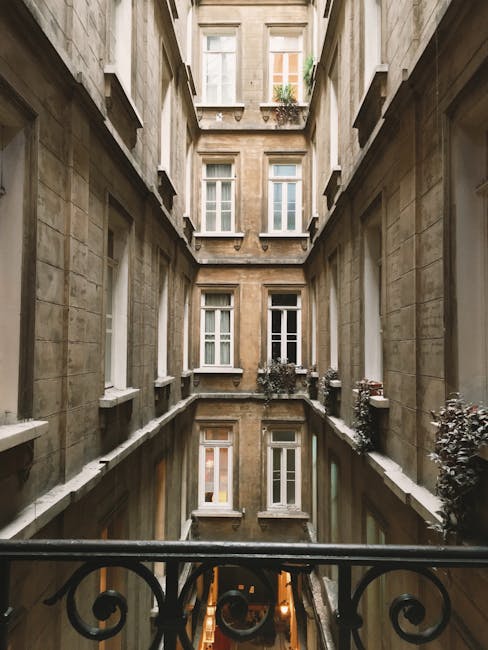
Common Mistakes to Avoid
- Overfilling the space. A narrow courtyard feels smaller when every surface is occupied. Leave breathing room.
- Using too many plant varieties. Too much variety often reads as clutter, not richness.
- Ignoring drainage. Waterlogged planters and slippery paving are frustrating and avoidable.
- Choosing plants for looks alone. A plant may be lovely at the nursery and miserable in your courtyard.
- Forgetting maintenance access. If you cannot reach the back of a planter, it will become awkward fast.
- Blocking light. A huge screen or dense shrub can make a courtyard feel like a tunnel.
- Letting ivy or self-seeders take over. They can look charming right up until they are not.
There is also a more subtle mistake: assuming that low maintenance means no maintenance. It does not. It simply means sensible maintenance. A quick sweep, timely pruning, and proper watering are what keep a courtyard elegant. Skip them for too long and, well, plants have opinions of their own.
Tools, Resources and Recommendations
The right tools make compact gardening much easier. You do not need a van full of kit, but you do need a few dependable basics. Good secateurs, a narrow trowel, a lightweight watering can or hose attachment, a stiff hand brush, and gloves that actually fit are all worth having. For a broader checklist of useful items, see gardening must-haves for outdoor spaces.
If your courtyard includes lots of containers, use quality compost and refresh the top layer regularly. Small spaces drain nutrients quickly. You can also improve soil quality over time using biological recycling to enrich soil, especially where planting is container-led.
For cluttered, dark, or awkwardly shaped spaces, consider these practical additions:
- slim trellis panels for climbing plants
- self-watering containers in hard-to-reach corners
- reflective or pale surfaces to bounce light
- low-voltage lighting for evening use
- mulch to reduce weed growth and moisture loss
- simple storage that hides tools and hose ends
If you are comparing services, it can also help to look at the bigger picture: gardening services in Chelsea, landscaping support, and patio cleaning often work together in compact courtyards where the hard surfaces matter as much as the planting.
Law, Compliance, Standards and Best Practice
For most homeowners, courtyard gardening is straightforward. Still, there are a few practical standards and responsibilities worth keeping in mind. If you live in a shared property, leasehold building, or conservation-sensitive setting, check whether structural changes, climbing plant supports, boundary alterations, or major hard landscaping need permission from the relevant parties before work starts. It is always better to ask first than fix later.
Safety matters too. Courtyards often have tighter access routes, uneven paving, basement steps, and trip hazards. Good practice means keeping paths clear during work, storing tools safely, and choosing stable planters that will not topple easily. If you want reassurance on working methods and risk management, a company page such as health and safety policy and insurance and safety information can help set expectations before any work begins.
Data and service terms matter as well when you are booking work or requesting a site visit. Transparent information on pricing and quotes, payment and security, and terms and conditions helps everyone understand the scope of the job. That may feel a bit formal for a garden, but honestly, a few clear lines at the start can save a lot of awkwardness later.
Accessibility is another sensible consideration in narrow gardens. If you or a family member need a clear, safe route through the courtyard, design should respect that from day one. Good landscaping should make the space more usable, not just prettier.
Options, Methods, or Comparison Table
Not every narrow courtyard needs the same approach. Some need a full redesign; others simply need better planting and more disciplined maintenance. The best option depends on condition, budget, and how you use the space.
| Approach | Best for | Pros | Watch-outs |
|---|---|---|---|
| Light refresh | Courtyards in decent shape that just feel tired | Quick, affordable, minimal disruption | Won't solve deep design flaws |
| Planting-led makeover | Spaces with good paving but weak planting | Transforms mood without major building work | Needs the right light and watering plan |
| Structural redesign | Very awkward, cluttered, or neglected courtyards | Fixes flow, privacy, and proportion | More time and budget needed |
| Maintenance plan only | Healthy gardens that need regular upkeep | Keeps things tidy and consistent | Doesn't address poor layout |
For many Chelsea homes, the winning formula is a blend: small structural changes, thoughtful containers, a few climbers, and a maintenance plan that keeps everything in check. Simple, but not simplistic.
Case Study or Real-World Example
Consider a narrow courtyard off Kings Road that had become a classic "almost there" garden. The paving was sound, but the space felt cramped. There were three mismatched pots, a tired evergreen in one corner, and a screen that blocked light without giving much privacy. The owners wanted somewhere to sit with a coffee, but the garden looked more like a storage lane than a retreat.
The first step was clearing out the clutter and removing a patch of invasive growth at the back. Then came a proper layout: one bench, two larger containers instead of many small ones, and a slim planting strip along the wall. Climbers were used sparingly to soften the boundary, while lower planting brought texture without bulk. A few carefully chosen evergreen plants kept the space from looking bare in winter. Nothing flashy. Just considered.
After the work, the courtyard felt longer, calmer, and easier to use. You could open the back doors and not feel visually trapped. The owners were not suddenly spending hours gardening every weekend either, which is the whole point. A space like that should give back time, not steal it.
If a courtyard starts from a more neglected state, it may need a stronger reset first. In that case, it can be helpful to pair design work with ongoing garden maintenance so the gains last beyond the first season.
Practical Checklist
- Measure the usable width and note access points
- Check sun, shade, and wind patterns across the day
- Decide whether the priority is seating, planting, privacy, or all three
- Remove clutter, dead plants, and damaged containers
- Inspect paving, drainage, and any slippery areas
- Choose a limited colour palette for a calmer look
- Use vertical space before sacrificing walkway width
- Select plants for real conditions, not just appearance
- Keep enough space for cleaning and watering
- Plan a maintenance rhythm you can actually keep up
Tick those boxes and you are already ahead of most courtyard makeovers. Honestly, that is where the difference starts.
Conclusion
Kings Road gardeners for narrow Chelsea courtyards are about more than planting. They are about making a tight outdoor space feel calm, functional, and quietly beautiful. The best results come from good structure, the right plant choices, disciplined editing, and maintenance that respects the scale of the garden. No fuss, no overcrowding, no pretending a tiny courtyard needs to do everything.
If you are deciding whether to refresh, redesign, or simply tame what is already there, start with the space as it really is. Not as you wish it were on a perfect summer afternoon. Once you do that, the right solution usually becomes obvious. And when a courtyard is handled well, it can be one of the loveliest parts of a Chelsea home - small, yes, but full of character.
Get a free quote today and see how much you can save.
Sometimes the smallest gardens give the biggest sense of calm. That is the quiet reward of getting it right.

As an expert gardener, David excels in providing assistance to thousands of customers in meeting their gardening needs. His proficiency extends to writing, where he focuses on a variety of topics related to gardening and landscaping.