


Sloane Square garden maintenance checklist for gardeners
Posted on 19/10/2026
If you care for gardens around Sloane Square, you already know the brief is rarely simple. Tight access, elegant planting, frequent foot traffic, a mix of shade and reflected light from surrounding buildings, and weather that can turn a tidy border into a soggy mess in a day. A proper Sloane Square garden maintenance checklist for gardeners keeps everything moving in the right direction without wasting time or missing the small details that make a garden look loved rather than merely managed.
This guide is built for working gardeners, property managers, and hands-on homeowners who want a clear, realistic routine. It covers what to check, when to check it, how to prioritise jobs, and where the common problems tend to hide. You will also find a practical checklist, a comparison table, and a few field-tested tips that make life easier when the season gets busy. Let's face it, gardens do not politely wait for your schedule.

Why Sloane Square garden maintenance checklist for gardeners Matters
Gardens in and around Sloane Square often need more than the usual mow-and-go approach. Many are compact, highly visible, and expected to look composed in every season. That means maintenance is not just about keeping things neat; it is about protecting design, plant health, safety, and the overall impression of the property.
A good checklist turns garden maintenance into a repeatable system. Instead of reacting to problems after they have become obvious, you are spotting them early: moss building up on hard surfaces, hungry borders, stressed shrubs, compacted soil, forgotten containers, or a hedge that has quietly outgrown its space. In a busy London setting, those small issues can escalate quickly.
There is also a practical side. A checklist helps gardeners stay consistent between visits, especially when different people cover the same site. One person notices the irrigation issue, another handles edging, and the whole garden benefits because the work is coordinated rather than improvised. That sounds obvious, but you would be surprised how often it gets missed.
For clients, the value is just as clear. The garden looks sharper, plants live longer, and the maintenance budget is easier to justify because the work is visible and organised. If a garden is part of a home, hotel, practice, office, or apartment setting, that consistency matters a lot.
How Sloane Square garden maintenance checklist for gardeners Works
At its simplest, the checklist breaks care into timed tasks: daily or weekly checks, seasonal work, and deeper periodic jobs. The idea is not to do everything at once. It is to do the right things at the right time, with enough regularity that the garden never slips into damage control mode.
Most professional gardeners in central and southwest London work from a layered routine. The first layer is visual inspection. The second is routine maintenance. The third is corrective work. For example, a weekly inspection may show that the lawn is slightly dry, a climber needs tying in, and weeds are starting to colonise gravel. The gardener then decides what can be fixed immediately and what needs a fuller visit.
That approach is especially useful in Sloane Square where planting styles may include compact formal beds, evergreen structure, containers, and shaded corners under buildings or trees. Different areas age differently. A sunny patio edge will not behave like a sheltered north-facing border, and your maintenance plan should reflect that.
If you are choosing plants as part of the wider maintenance strategy, it helps to think beyond looks. The article on choosing the right plants for your climate is a useful companion read because the right plant selection reduces future maintenance burden. Likewise, low-growth planting can simplify upkeep, which is why many gardeners also look at ground covers for UK gardening when they want tidy, resilient borders.
Key Benefits and Practical Advantages
A structured checklist does more than keep the garden looking presentable. It changes how the whole space performs over time.
- Better plant health: Regular checks catch pests, drought stress, mildew, and nutrient issues before they become expensive problems.
- Cleaner presentation: Edges, paths, pots, and hedges stay crisp, which is important in a high-visibility area like Sloane Square.
- Lower long-term costs: Early intervention usually costs less than restoring neglected beds, broken irrigation, or overgrown shrubs.
- Safer surfaces: Slippery patios, trip hazards, and obstructed walkways are identified faster.
- More predictable workload: A checklist makes it easier to plan labour, time, and seasonal materials.
- Better client communication: You can show what has been done and what is next. That builds trust. Simple, but powerful.
There is also a quiet benefit that experienced gardeners appreciate: less mental clutter. When the routine is written down, you do not spend half the visit wondering what you forgot. You just get on with it. That is a small mercy on a wet Tuesday morning.
Who This Is For and When It Makes Sense
This maintenance model works for a wide range of people, but it is especially useful for:
- gardeners maintaining private town gardens or mews gardens around Sloane Square
- property managers responsible for shared outdoor areas
- landlords who want the outside space to match the standard of the interior
- busy homeowners who need a clear weekly and seasonal plan
- gardeners looking after ornamental planting with limited room for error
- teams managing a mix of lawns, hedges, containers, climbers, and paving
It makes sense whenever the garden must stay presentable throughout the year, not just after a one-off tidy-up. It also makes sense if the garden has a lot of container planting, clipped hedges, specimen shrubs, or a combination of paving and soft landscaping. Those features look wonderful, but they do ask for regular attention.
If the garden has become patchy or neglected, the checklist is still useful, but the starting point changes. You may need to tackle the basics first: clearing debris, identifying dead material, sorting access, and restoring structure. For that, the article on tackling garden neglect is worth a look.
Step-by-Step Guidance
Here is a practical way to run a Sloane Square garden maintenance routine without overcomplicating it.
1. Start with a full site walk-through
Begin at the entrance and move slowly through the garden. Look at structure first: hedges, paths, steps, boundaries, large shrubs, trees, pergolas, fences, and lawn shape. Then inspect planting, surfaces, and containers. The order matters because big structural issues usually affect everything else.
Note anything that looks out of balance, unsafe, or flat-out tired. A leaning pot, a cracked paving stone, and a hedge dropping out at the base may seem unrelated, but they often point to the same thing: the site has not been checked properly for a while.
2. Prioritise safety and access
Before any decorative work, deal with hazards. Clear slippery leaves, secure loose edging, remove broken canes, and make sure access routes are clear. If you are working near steps, front entrances, or shared walkways, this step is non-negotiable.
For larger gardens or properties with trees, check for storm damage, broken limbs, or branches hanging too low. A mature canopy can look calm and elegant, yet still hide trouble after wind or heavy rain. If a tree seems unstable or damaged, a specialist assessment is the sensible next move.
3. Check soil and moisture conditions
Soil tells you a lot if you take the time to look. Is it waterlogged, crusted, dry, compacted, or full of weed seedlings? In central London gardens, containers and raised beds often dry out faster than people expect because of reflected heat, wind, and limited rooting space.
Use the moisture check as a planning tool. If the bed is dry at depth, watering needs to happen deeply and less often. If the soil is soggy, improve drainage before adding more water. No amount of optimism fixes bad drainage, sadly.
4. Weed, edge, prune, and tidy
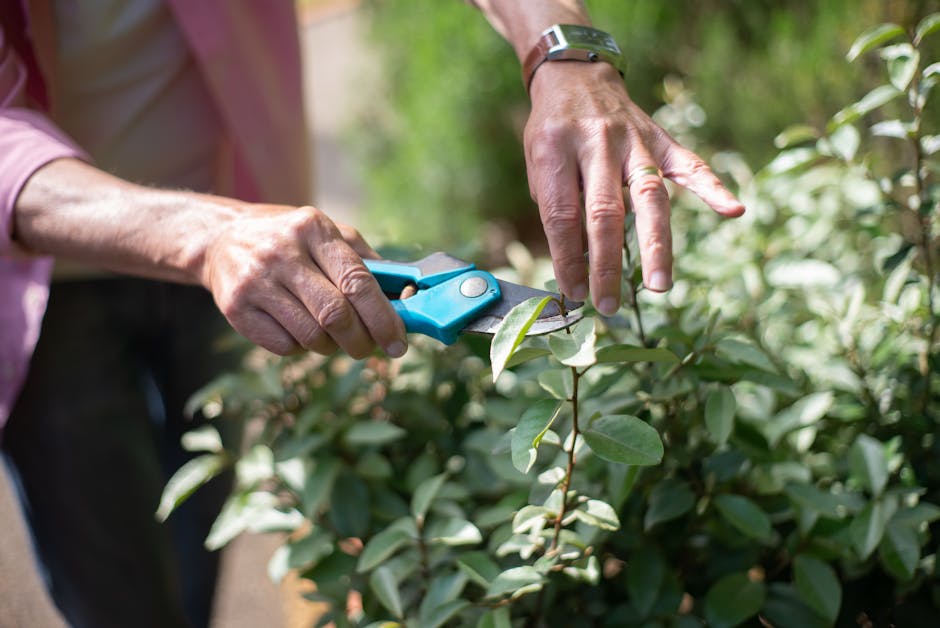
This is the visible maintenance layer. Remove weeds before they seed. Re-cut lawn edges. Lightly prune out dead wood or crossing growth. Deadhead flowering plants where appropriate. Remove spent annuals and any plant material that is clearly past its best.
In a formal garden, small details matter more than raw volume of planting. A clean edge and disciplined pruning can make a tiny garden feel finished. That is one reason gardeners often pair ornamental beds with manageable groundcovers and a low-fuss seasonal planting plan.
5. Review hedges and screening plants
Hedges in Sloane Square settings often serve several jobs at once: privacy, structure, noise softening, and visual framing. Check height, thickness, and shape. Look for bare patches, pest damage, or areas where one side gets less light than the other.
Routine hedge care keeps the whole garden sharper, and it reduces the need for dramatic corrective cuts later. If a hedge is already overgrown, don't just nibble at it and hope for the best. It usually takes a proper plan. For more on this kind of work, see the guidance on fast-growing hedges for privacy and the service page for hedge trimming Chelsea.
6. Inspect lawns and hard landscaping together
People often treat lawns and paving separately, but they affect each other. Soil runoff, moss, shade, and poor drainage can all show up in both places. If the lawn is thinning near the patio, or the patio is developing algae because water is not draining properly, the problem is bigger than surface cleaning.
That is also why it is smart to view maintenance holistically. Lawn care, edging, and surface cleaning work best when they are coordinated. For a broader service overview, the pages on lawn care Chelsea and patio cleaning Chelsea align well with this approach.
7. Finish with a refresh and record the work
Once the functional jobs are done, give the garden its finishing touch. Straighten containers, sweep paths, top up mulch, reset watering lines, and check that the composition still feels intentional. Then note what was done and what needs follow-up next visit.
That record is useful for teams, but it also helps homeowners and managers see patterns. For example, if one bed dries out every fortnight while the others hold moisture, you know where to focus. Gardening is full of small clues like that.
Expert Tips for Better Results
These are the little habits that separate a decent routine from a genuinely reliable one.
- Work from the garden's edges inward. Borders, boundaries, and access points reveal issues before the centre does.
- Use the same inspection order every time. That consistency helps you notice changes faster.
- Do not over-prune for the sake of a neat look. Some plants need light, not severity.
- Match maintenance to planting style. A formal clipped scheme needs a different rhythm from a soft, naturalistic border.
- Keep a small "fix later" list. Not every problem needs solving on the spot, but it should not disappear from memory either.
- Watch the microclimate. Shade, wind tunnels, wall heat, and reflected light change watering and pruning needs more than many people realise.
One more thing: if you are working in a garden with children, pets, or frequent visitors, design and maintenance should support safe movement. For practical ideas, have a look at designing a child-friendly garden and gardens that work for pets too. Safety is not separate from beauty. It is part of it.

Common Mistakes to Avoid
Even experienced gardeners slip into these habits now and again. No judgement; gardens can be distracting, and the kettle calls.
- Skipping seasonal checks: A garden that looks fine in spring can turn unruly by late summer if nobody adapts the routine.
- Only tidying what is visible: Hidden issues in the back of beds, under shrubs, or beside downpipes often become the costly ones.
- Using the same watering schedule all year: Weather, wind, soil type, and pot size all change the equation.
- Ignoring soil compaction: In compact urban gardens, roots can struggle long before the plants look obviously distressed.
- Cutting hedges at the wrong time or too hard: That can leave gaps that take ages to recover.
- Letting ivy or climbers run unchecked: They can look charming right up until they are gripping masonry, fences, or neighbouring plants.
For stubborn climbers and invasive growth, it is usually better to act early. If that is already becoming a problem, the article on ivy removal made easy and permanent is a practical companion read.
Tools, Resources and Recommendations
You do not need a van full of gadgets to maintain a smart Sloane Square garden, but the right kit makes the checklist faster and cleaner.
- Hand tools: secateurs, snips, hand fork, trowel, pruning saw, edging tool
- Cleaning tools: broom, rake, leaf collector, bucket, stiff brush
- Inspection basics: notebook, phone camera, moisture meter if you use one, labels for problem areas
- Watering kit: hose, watering can, drip irrigation where suitable, and a way to check flow at taps
- Protection items: gloves, kneeling pad, eye protection for cutting and clearing work
- Soil and mulch materials: compost, bark mulch, grit for drainage correction, plant ties, canes
If you are building or refreshing a kit, it helps to choose tools that suit the scale of the work. A compact urban garden needs agile tools more than heavy-duty gear, although hedge work and tree work obviously change that picture. The article on gardening must-haves is a sensible place to compare essentials, and container gardening tools and tips is especially relevant if the site relies on pots and planters.
For the greener side of maintenance, composting and recycling organic waste back into the soil can lift plant performance while reducing waste removal. If that interests you, see biological recycling and enriched soil.
Law, Compliance, Standards, or Best Practice
For most gardeners, the key is not memorising legislation; it is working safely, responsibly, and in line with accepted industry practice. In a busy residential area like Sloane Square, that usually means being careful around access routes, using tools properly, and keeping work tidy so residents and visitors are not put at risk.
Some tasks require extra caution. Tree work, for example, may involve hazards that should be assessed before cutting. Electrical equipment, ladders, and pressure washing all introduce risk too, especially on wet surfaces. If your maintenance plan includes those jobs, make sure you are confident about safe practice and the equipment is fit for purpose.
Good professional standards also include clear communication, insurance awareness, and realistic scheduling. If a task is beyond routine maintenance, it is better to say so and escalate it. That is not weakness. It is competence. The pages on health and safety policy and insurance and safety reflect the sort of considerations that matter behind the scenes.
For clients comparing providers or planning regular care, it also helps to understand pricing clarity, payment security, and working terms before any long-term maintenance arrangement begins. Those are the unglamorous bits, but they matter. A lot.
Options, Methods, or Comparison Table
Different gardens need different maintenance styles. Here is a simple comparison to help you match the method to the site.
| Maintenance approach | Best for | Strengths | Watch-outs |
|---|---|---|---|
| Weekly touch-up routine | Small, visible gardens with tidy planting | Fast, consistent, easy to schedule | Can miss deeper soil or drainage issues |
| Seasonal planning model | Mixed borders, shrubs, and lawns | Better long-term plant health | Needs more record-keeping and foresight |
| Problem-led intervention | Neglected or recovering gardens | Deals with urgent issues first | Can feel reactive if not converted into routine |
| Low-maintenance design plus upkeep | Busy households and compact urban plots | Reduces workload and repeated tasks | Requires smarter plant selection from the start |
In practice, most Sloane Square gardens benefit from a blended approach. A weekly touch-up keeps the place presentable, while seasonal planning stops the same issues returning again and again. If you are aiming for a garden that looks calm rather than overworked, you may also enjoy the thinking behind mindful landscaping and low-maintenance garden solutions on a budget.
Case Study or Real-World Example
Picture a compact townhouse garden near Sloane Square: a clipped hedge along the boundary, a few deep planters, a small lawn, and a paved seating area that gets plenty of use. On paper, it sounds simple. In reality, the hedge shades one side of the border, the paving picks up algae, the planters dry out fast, and the lawn starts thinning where people cut across it.
Using a checklist, the gardener first dealt with access and safety: cleared the path, removed fallen leaves, and checked the paving edges. Next came the hedge trim and a quick review of plant health in the planters. Two pots needed deeper watering and fresh compost. The lawn was lightly aerated and edged cleanly, which instantly sharpened the whole garden. The final step was adding a thin mulch layer to reduce moisture loss and suppress weeds.
Nothing dramatic. No grand redesign. Just sensible, repeated care.
Three weeks later, the garden still looked composed because the gardener had not simply "tidied it up" once; they had set a maintenance rhythm. That is the real advantage of a checklist. It turns one decent visit into a more stable result.
For spaces where privacy or structure is part of the brief, the article on evergreen climbers for shady spaces and the page on garden maintenance Chelsea can help shape the next step.
Practical Checklist
Use this as a working checklist for regular visits. It is deliberately simple, because simple tends to get used.
- Inspect all entrances, paths, and steps for slip or trip risks
- Check lawns for dry patches, moss, compaction, and edge damage
- Look for weeds in beds, paving joints, and gravel areas
- Deadhead flowering plants where appropriate
- Remove dead, diseased, or broken material
- Prune lightly to maintain shape and airflow
- Inspect hedges for even growth and bare sections
- Check climbers, ties, and supports
- Water pots and thirsty plants deeply, not just superficially
- Top up mulch where soil is exposed
- Clear debris from patios, decking, and hidden corners
- Inspect for pests or disease symptoms
- Note any follow-up jobs that need a longer visit
- Check storage areas so tools and materials are safe and tidy
If the garden includes larger planting features, you may want to add specific notes for hedges, trees, and decking. That is where a checklist becomes genuinely useful: it grows with the garden instead of fighting against it.
Get a free quote today and see how much you can save.
Conclusion
A Sloane Square garden maintenance checklist for gardeners is not just an admin tool. It is the difference between reactive gardening and calm, professional control. In a setting where presentation matters, access can be tight, and planting often has to work hard in difficult conditions, a checklist brings order to the chaos.
The most effective routine is the one you can repeat without fuss: inspect, prioritise, tidy, record, and return. Do that consistently and the garden will look better, cope better, and cost less to keep in good shape. Not every space needs a dramatic intervention. Most need steady hands, a clear eye, and enough patience to notice the small things before they become large ones.
And if the garden feels a bit unruly today, that is fine. Most good gardens begin there.

As an expert gardener, David excels in providing assistance to thousands of customers in meeting their gardening needs. His proficiency extends to writing, where he focuses on a variety of topics related to gardening and landscaping.